
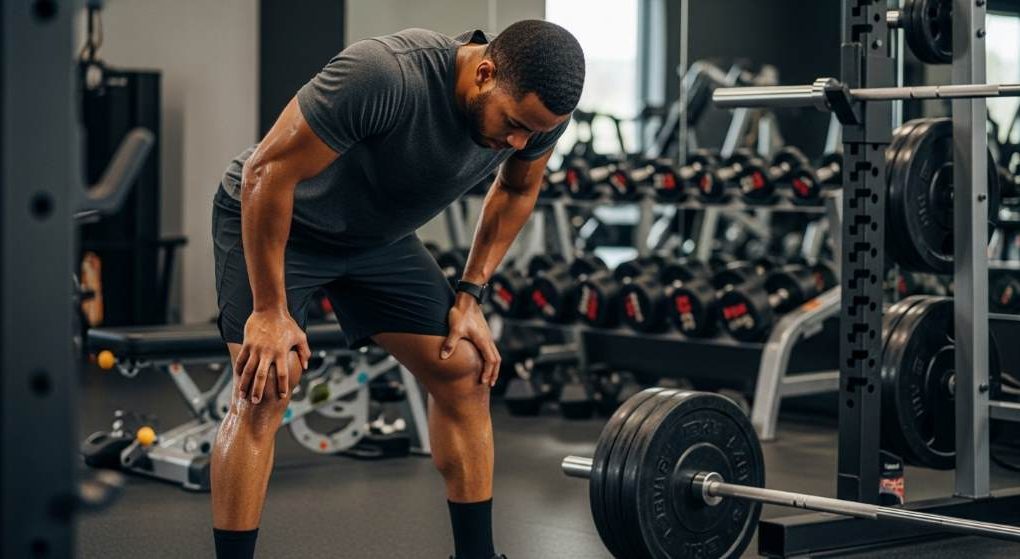
Lower-body training pushes the body harder than most gym routines, especially in active fitness cities like Atlanta, GA. Studies show that muscle soreness can last up to 72 hours after intense leg workouts, while dehydration may reduce recovery speed by nearly 30%. Many gym-goers also struggle to balance performance and recovery during high-volume training weeks. In addition, confusion around heavy vs light leg press resistance often leads to overtraining and delayed muscle repair. As fitness culture grows across Atlanta, more athletes now search for practical ways to recover faster and avoid long-term strain.
The Fast-Paced Fitness Culture in Atlanta Creates Recovery Challenges
Atlanta has one of the busiest fitness communities in the Southeast, and many people train several times each week. Popular gyms stay crowded before sunrise and after work because locals often balance demanding careers with intense workout schedules. As a result, recovery habits usually receive less attention than workout intensity. Many athletes focus on heavier squats, lunges, and deadlifts without allowing enough downtime between sessions.
The city’s humid climate also affects physical recovery more than many gym-goers realize. High humidity increases sweat loss, especially during long lower-body workouts that target large muscle groups. Consequently, many athletes leave the gym already dehydrated before they even begin recovery. Some trainers now encourage clients to include hydration-focused mobility days and free online exercise classes to reduce physical stress while staying active.
Traffic and long commutes across Atlanta create another hidden problem for muscle recovery. Sitting in a car for extended periods tightens hip flexors and reduces blood circulation after heavy leg training. Therefore, soreness often feels worse the next day because muscles stay compressed for hours. Many people overlook this issue even though post-workout movement strongly supports tissue repair.
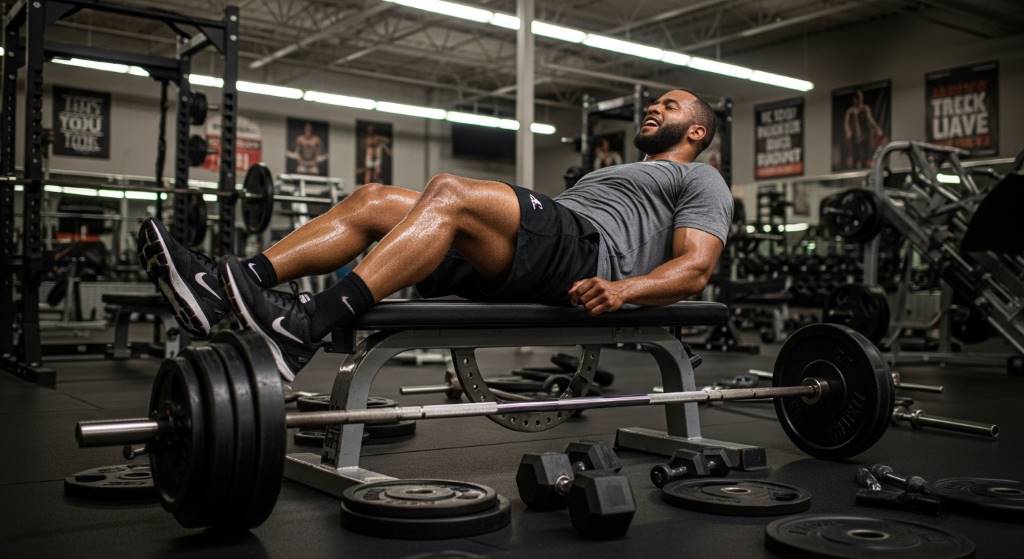
Why Lower-Body Workouts Cause More Recovery Stress
The lower body contains some of the largest and strongest muscles in the human body. Exercises like squats and Romanian deadlifts recruit several muscle groups at the same time. Because of this, the nervous system experiences greater fatigue compared to upper-body workouts. Recovery becomes slower when athletes repeatedly push these muscles without proper rest.
Heavy eccentric movements increase microscopic muscle damage during leg sessions. For example, lowering into a squat creates more tissue breakdown than many gym-goers expect. Although this process helps build strength, excessive volume can overwhelm recovery systems. Many Atlanta athletes continue training through soreness because gym culture often rewards intensity over recovery.
Lower-body sessions also place pressure on joints and connective tissue. Knees, ankles, and hips absorb large amounts of force during compound exercises. Consequently, recovery problems may appear even when muscle soreness feels manageable. Over time, insufficient recovery increases the risk of inflammation and mobility restrictions.
Neurological Fatigue Often Gets Ignored
Most people focus only on muscle soreness after leg day, yet nervous system fatigue plays a major role in recovery. Intense lower-body training demands high coordination and force production from the brain and spinal system. Therefore, athletes may feel mentally drained, sluggish, or unmotivated for several days afterward. This type of fatigue often reduces workout quality and overall performance.
Atlanta professionals who combine stressful jobs with aggressive training routines face even greater neurological strain. Long work hours increase cortisol levels, which slows muscle repair and reduces sleep quality. In many cases, people mistake this exhaustion for laziness rather than recognizing true recovery overload. Better recovery planning can prevent this cycle from becoming chronic.
Atlanta’s Climate Makes Muscle Recovery Harder
Georgia summers bring heavy humidity and high temperatures that directly impact recovery efficiency. Even indoor gyms cannot fully prevent fluid loss during hard lower-body sessions. Consequently, many athletes experience cramps, fatigue, and prolonged soreness after intense workouts. Electrolyte imbalance becomes more common during long training blocks.
Humidity also interferes with cooling mechanisms inside the body. When sweat evaporates slowly, the body retains more heat during exercise. As a result, the cardiovascular system works harder throughout training sessions. This extra stress increases overall fatigue and slows the muscle recovery process.
Many gym-goers underestimate how climate affects sleep quality as well. Warm evenings can disrupt deep sleep, which is essential for hormone regulation and tissue repair. Therefore, recovery may decline even if nutrition and workouts seem well planned. Athletes who improve room temperature and nighttime hydration often notice better recovery within days.
Poor Footwear and Movement Mechanics Increase Recovery Time
Many Atlanta gym-goers spend money on supplements while ignoring footwear quality and movement mechanics. Shoes that lack support can change squat depth, ankle positioning, and knee alignment during lower-body exercises. Consequently, the body compensates with unnecessary strain across multiple joints. Recovery becomes longer because tissues absorb force inefficiently.
Movement quality matters just as much as workout intensity during leg training. Poor balance and unstable foot positioning increase stress on tendons and ligaments during explosive exercises. Some athletes now study the role of dance shoes in foot support because similar principles apply to gym performance and injury prevention. Better movement mechanics often reduce soreness and improve long-term joint health.
Flat feet and weak ankle mobility create additional problems during lower-body workouts. These limitations change force distribution across the body during squats and lunges. Therefore, some muscles become overloaded while others stay underused. Corrective mobility work can dramatically improve recovery speed over time.
The Overlooked Problem of Concrete Surfaces
Atlanta’s urban environment contributes to recovery issues in a surprising way. Many people walk and train on hard concrete surfaces throughout the day, especially in downtown areas. This constant impact adds extra stress to knees, calves, and hips after lower-body workouts. Consequently, muscle soreness and joint stiffness may feel worse than expected.
Outdoor boot camps and parking-lot workouts have become increasingly popular across the city. While these sessions improve conditioning, they also increase repetitive impact stress on the lower body. Recovery becomes more difficult when hard surfaces combine with high workout volume. Softer training environments can reduce accumulated strain significantly.
Nutrition Mistakes Slow Down Recovery
Many gym-goers focus heavily on protein while neglecting other important recovery nutrients. Carbohydrates restore glycogen levels after intense leg sessions, yet many people avoid them because of dieting trends. Consequently, muscles remain depleted and energy levels drop for longer periods. Balanced meals support faster recovery and improved training performance.
Hydration habits also remain inconsistent among many active adults in Atlanta. Some people drink large amounts of water but ignore electrolyte replacement after sweating heavily. Therefore, the body struggles to maintain muscle contractions and proper nerve signaling. Sodium, potassium, and magnesium all play essential roles in recovery.
Late-night eating patterns create another hidden issue for muscle repair. Busy schedules often push dinner far into the evening after workouts. Unfortunately, poor meal timing combined with insufficient sleep can reduce recovery efficiency. Consistent nutrition routines help the body repair tissue more effectively.
Sleep Deprivation Damages Recovery Capacity
Sleep remains one of the most important recovery tools for lower-body training. During deep sleep, the body releases growth hormone that supports muscle repair and tissue regeneration. However, many Atlanta residents average fewer than seven hours of sleep per night. This habit significantly slows recovery after demanding workouts.
Screen exposure before bedtime also affects hormone balance and sleep quality. Bright light from phones and laptops delays melatonin production, making it harder to reach restorative sleep cycles. Consequently, athletes may wake up feeling sore and exhausted despite spending enough time in bed. Improving nighttime routines can produce noticeable recovery improvements quickly.
Stress and anxiety further complicate the situation for many working professionals. Elevated stress hormones increase inflammation and reduce the body’s ability to recover from physical strain. Therefore, lower-body soreness may linger longer than expected after intense sessions. Recovery depends on both physical and mental restoration.
Practical Recovery Strategies for Atlanta Gym-Goers
Smart recovery begins with proper workout scheduling and intensity management. Athletes should avoid training lower body heavily on consecutive days without adequate rest. Instead, alternating between strength days and lighter mobility sessions helps muscles repair more efficiently. Consistency matters more than extreme workout intensity.
Active recovery methods improve circulation and reduce stiffness after hard training sessions. Walking, stretching, swimming, and light cycling all support recovery without adding major stress. Many fitness coaches also recommend yoga because it improves flexibility, posture, and muscular balance. Some athletes now explore physical fitness yoga improve techniques to reduce soreness and maintain mobility.
Cold therapy and contrast showers may also help after demanding leg workouts. Alternating between hot and cold temperatures encourages blood flow and reduces inflammation. While recovery methods vary between individuals, consistency usually matters more than complexity. Athletes who maintain simple recovery routines often see the best long-term results.
Useful Recovery Habits to Follow
- Drink water consistently throughout the entire day.
- Sleep at least seven to eight hours every night.
- Use mobility exercises before and after leg workouts.
- Eat balanced meals with protein and carbohydrates.
- Reduce workout intensity during extremely humid weather.
When Recovery Problems Become Serious
Persistent soreness that lasts longer than several days may signal deeper recovery issues. Sharp joint pain, swelling, and reduced mobility should never be ignored after lower-body workouts. Consequently, continuing to train through these symptoms may increase injury risk substantially. Early intervention often prevents long-term complications.
Overtraining syndrome has become increasingly common among dedicated gym-goers. Symptoms include constant fatigue, irritability, sleep problems, and declining athletic performance. Many people mistake these warning signs for lack of motivation rather than physical overload. Professional guidance can help athletes rebuild healthier training patterns.
Medical evaluation may become necessary when pain affects daily movement or walking ability. Physical therapists and sports medicine specialists can identify muscular imbalances and movement problems. Therefore, athletes gain more personalized recovery strategies instead of relying on guesswork. Addressing small issues early usually prevents bigger setbacks later.
Conclusion
Recovery problems after intense lower-body sessions affect many gym-goers across Atlanta, GA because of climate, stress, training habits, and lifestyle factors. However, smarter recovery strategies can dramatically improve performance, reduce soreness, and prevent injuries over time. Consistent sleep, hydration, nutrition, and movement quality all play critical roles in long-term fitness success. If you want better workouts and healthier recovery, start improving your daily habits today and build a more balanced training approach that supports lasting progress.
FAQs
Why do leg workouts cause more soreness than upper-body workouts?
Lower-body exercises recruit larger muscle groups and place greater stress on the nervous system.
Does Atlanta humidity affect workout recovery?
Yes, high humidity increases dehydration and fatigue, which slows muscle recovery.
How long should recovery take after an intense leg session?
Most people recover within 48 to 72 hours depending on workout intensity and recovery habits.
Can poor sleep increase muscle soreness?
Yes, inadequate sleep reduces hormone production needed for muscle repair and recovery.
What is the best active recovery method after leg day?
Light walking, stretching, yoga, and cycling all help improve circulation and reduce stiffness.