
Maintaining a pristine swimming pool starts with ensuring every component works smoothly, especially the pool pump. As the heart of your pool’s circulation system, the pump is responsible for water movement, filtration, and keeping the entire system clean. Recognizing when your pool pump may need professional attention could save you from costly water problems or mechanical breakdowns later. For reliable pool pump repair, timely intervention is essential to protect your pool investment and minimize downtime.
In this article, you’ll learn what warning signs to look for when your pump is underperforming or malfunctioning. Not every issue requires a replacement, but ignoring them can shorten your equipment’s lifespan. Early action and routine checks ensure your pool remains inviting and efficient.
A proactive approach, including regular inspection and simple upkeep, will ensure every swim is both safe and enjoyable. If you’re unsure about maintenance routines or pool management, you can always benefit from expert pool services that help identify and resolve these common issues early on. Consistent maintenance not only extends the lifespan of your pool equipment but also helps maintain crystal-clear water quality throughout the swimming season.
Unusual Noises
A properly functioning pool pump should emit a gentle, steady hum. If it starts making grinding, screeching, or rattling noises, it’s usually a sign of trouble. Causes can include worn ball bearings, debris lodged in the impeller, or a failing motor. Ignoring these sounds can lead to complete pump failure and put extra stress on your pool’s other systems. Detecting and fixing issues early can save money and help avoid additional problems like water quality issues.
Reduced Water Flow
Reduced water circulation can quickly become evident if your pool’s filtration is compromised. The main culprits of sluggish water flow are a clogged filter, a blocked pump impeller, or suction line leaks. As the water moves more slowly, it becomes harder to keep the pool free of debris and algae. Regularly checking the skimmer baskets and filters will help pinpoint restrictions in water flow. Sudden changes in circulation should always prompt a closer inspection.
Visible Leaks
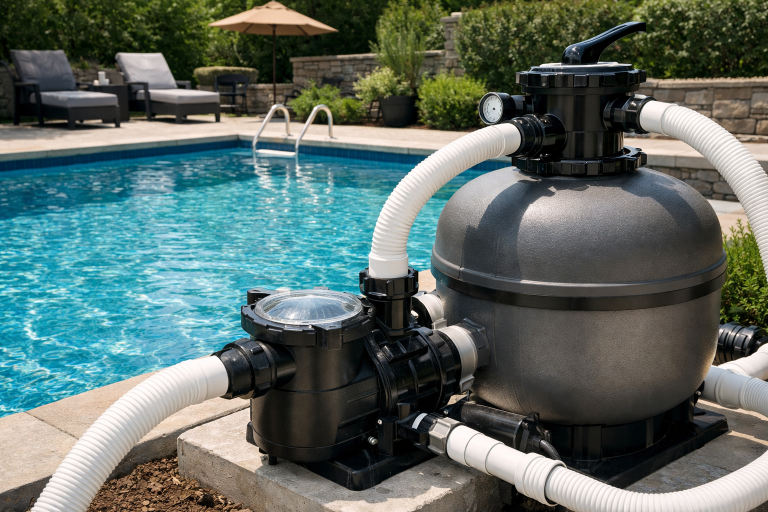
If you notice water pooling near the base of the pump or damp spots on the equipment pad, address the leaks immediately. Pool pump leaks frequently result from deteriorating seals, cracks in the pump housing, or faulty connections. Even minor water loss can accelerate wear on the pump components, increase utility bills, and create potential slip hazards around your pool. Keeping the area around your pump dry can help you spot problems before they worsen.
Frequent Shutdowns
A pool pump that unexpectedly shuts off or fails to start consistently is cause for concern. Overheating is a common cause of intermittent operation and may result from blocked ventilation, low water levels, or electrical problems in the pump motor. These issues not only threaten the integrity of the pump itself but can also disrupt the delicate balance of your pool’s filtration system. Simple actions, such as ensuring external vents are clear and the water level stays optimal, can prevent many of these problems.
Air Bubbles
Air bubbles appearing in your swimming pool, especially if they come through the return jets, usually indicate a leak on the suction side of the pump. This can occur if the pump lid is not sealed tightly, the water level falls too low, or a small crack develops in a suction pipe. Air entering the system can reduce pump efficiency and, over time, cause cavitation damage. Identifying and eliminating sources of air ensures your pump remains at peak performance.
Increased Energy Bills
A noticeable increase in your pool’s energy consumption may indicate a struggling pump. Clogged filters, aging motors, and outdated equipment frequently cause the pump to work harder, using more electricity without providing better results. Consider upgrading to a more energy-efficient pump if your utility costs continue to climb. The U.S. Department of Energy highlights the benefits of modern, variable-speed pool pumps and recommends regular maintenance to optimize both performance and efficiency.
Age of the Pump
The typical lifespan of a pool pump ranges from 8 to 12 years. As your pump approaches this age, its components may wear out, leading to a gradual decline in efficiency and reliability. If repairs become more frequent or operational problems occur more often, it might be time to assess whether investing in a new pump could offer better value and peace of mind in the long run.
Conclusion
Staying alert to these warning signs will help keep your pool pump and your entire pool system in great condition. Preventative maintenance, combined with timely expert intervention, is the best way to avoid expensive repairs and enjoy a sparkling, safe swimming environment year-round.