
Water confidence grows differently at every stage of life. A baby learning to splash, a child learning to float, a teen improving technique, and an adult facing water fear all need different instruction styles. Swimming lessons work best when the class matches the student’s age, comfort level, attention span, and physical ability.
Building Early Water Comfort in Parent and Child Sessions
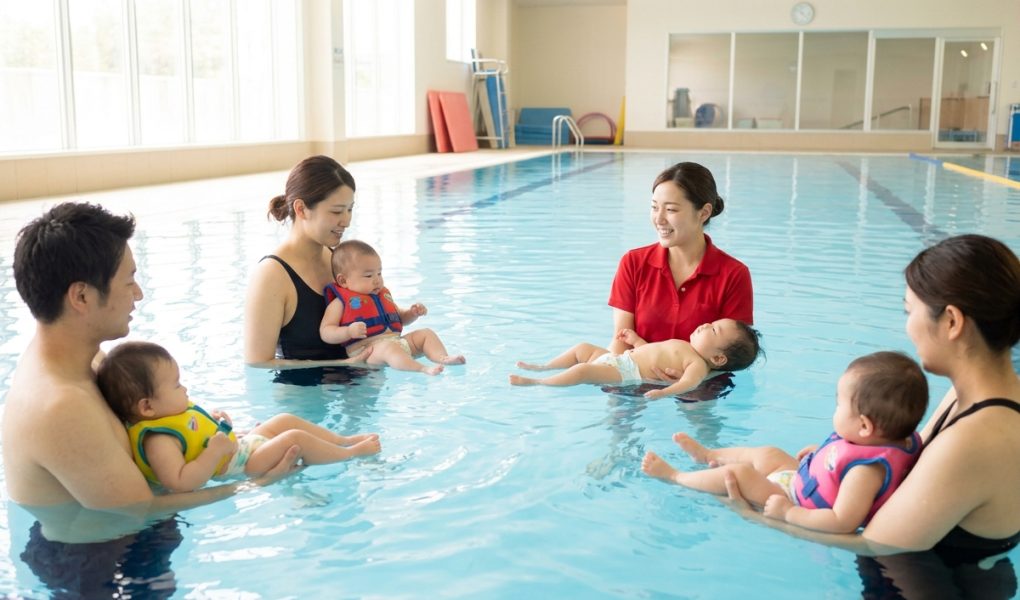
Parent and child sessions introduce babies and very young children to the pool through gentle movement, songs, supported floating, and close contact with a trusted adult. These classes do not turn infants into independent swimmers, but they help children become familiar with water on their face, pool sounds, instructor voices, and safe entry routines.
Caregiver participation also matters because parents learn how to hold, guide, and respond to their child in the water. This early exposure can make future swimming lessons feel less intimidating. Families searching for swimming classes near me often start here because comfort is easier to build before fear becomes a strong habit.
Play-Based Safety Fundamentals for Curious Toddlers
Toddlers learn best when instruction feels active and playful. Short tasks, floating games, wall grabs, bubble blowing, assisted kicking, and reaching exercises help young children practice important movements without long lectures. Safety skills are introduced in small steps because toddlers are still developing balance, listening skills, and body control.
Repetition is especially important at this age. A toddler may need many classes before a skill becomes familiar enough to repeat with confidence. Springfield VA swimming lessons can help families give young swimmers structured practice in a supervised setting instead of relying only on casual pool time.
Developing Core Stroke Foundations for School-Aged Children
School-aged children are often ready for more direct instruction. They can follow multi-step directions, understand body position, and begin connecting arm movement, kicking, breathing, and floating into real swimming skills. Lessons may focus on freestyle basics, backstroke movement, breath control, water safety, and endurance.
Skill development becomes more noticeable during these years. Children may move from short-distance swimming to longer, smoother strokes as coordination improves. Parents comparing swimming lessons near me should look for classes that balance technique, confidence, and safety instead of rushing children through levels too quickly.
Helping Independent Pre-Teens Refine Their Aquatic Speed
Pre-teens often want to feel more capable in the water, especially around friends, swim teams, camps, or recreational pools. At this stage, classes may focus on improving stroke efficiency, building stamina, learning turns, strengthening kicks, and refining breathing patterns. Small technical changes can make swimming feel easier and faster.
Coaching also helps correct habits that formed during earlier swimming years. A pre-teen may swim across the pool but still waste energy because of poor body alignment or uneven breathing. Swimming lessons Springfield VA can give this age group the focused feedback needed to improve performance without making the class feel too childish.
Private Skill Building Tailored for Self-Conscious Teens
Teen swimmers may feel embarrassed if they are behind their peers. Some have never learned to swim, while others know the basics but lack confidence in deep water. Private or smaller group lessons can reduce pressure and give teens space to ask questions without feeling watched by younger children.
Personalized instruction can also target specific goals. A teen may need help preparing for lifeguard training, improving endurance, learning proper breathing, or simply feeling safe at a pool party. Good instruction respects the student’s maturity while rebuilding skills from the correct starting point.
Beginner Adult Programs Focused on Overcoming Water Anxiety
Adults often bring strong feelings into the pool. Some had a frightening experience, missed childhood lessons, or learned just enough to avoid deep water. Beginner adult swimming lessons should move at a respectful pace, with clear explanations, shallow-water practice, breathing control, floating support, and gradual progress.
Trust is central for adult learners. Instructors need to explain why each skill matters and give students time to adjust before moving forward. Adults looking for swimming lessons near me often benefit from classes designed specifically for their comfort level rather than being placed into a program built for children.
Advanced Fitness and Lap Swimming Adjustments for Mature Adults
Mature adults who already swim may want better technique, safer breathing habits, or more efficient lap workouts. Small improvements in stroke mechanics can reduce shoulder strain, improve breathing rhythm, and make longer swims feel less tiring. These lessons may focus on pacing, endurance, kick efficiency, and smoother turns.
Fitness-based instruction also helps adults use the pool for long-term health. Swimming can support cardiovascular conditioning without the same impact as running or jumping exercises. A structured class can help swimmers build a routine that feels challenging without being harsh on joints.
Low-Impact Water Aerobics and Gentle Mobility for Seniors
Seniors often benefit from water movement because buoyancy reduces stress on knees, hips, backs, and ankles. Gentle pool classes may include walking, stretching, balance work, light resistance movements, and breathing exercises. These sessions support mobility while helping older adults stay active in a safer, lower-impact environment.
Safe Splash gives swimmers of different ages a place to build water confidence through lessons that match comfort level, ability, and personal goals. For families and adults comparing swimming lessons, swimming classes near me, or Springfield VA swimming lessons, Safe Splash can help students move from early water comfort to stronger technique, better safety habits, and more confidence in the pool.


