
Inflammation is your body’s natural response to injury or infection, but chronic inflammation can lead to severe health issues, including heart disease, arthritis, and even cancer. Fortunately, reducing inflammation naturally is possible through lifestyle changes and a balanced diet.
In this article, we’ll explore how to reduce inflammation naturally, focusing on the best foods and habits that promote a healthy, inflammation-free body. Let’s dive in!
What Are the Best Foods to Reduce Inflammation?
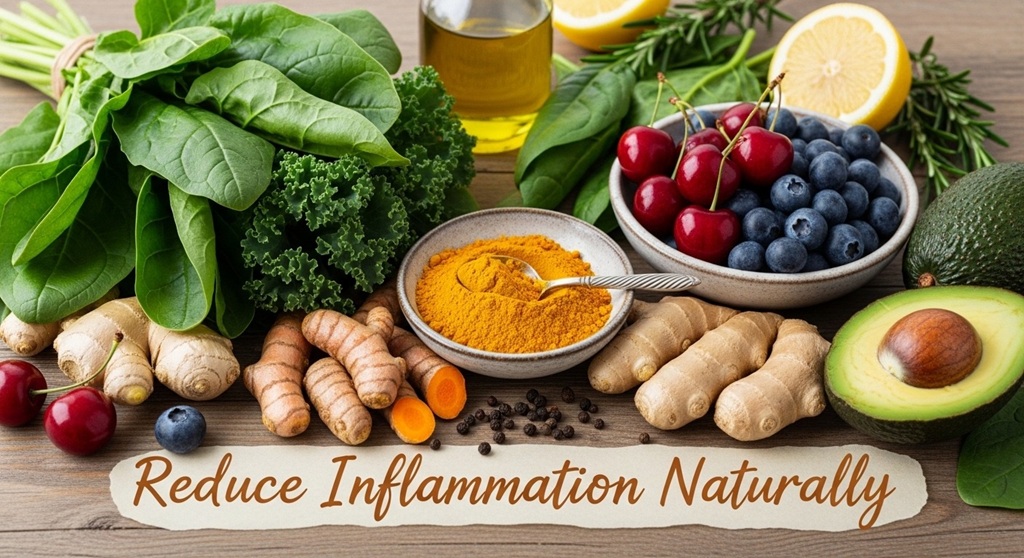
The right foods can make a huge difference in managing inflammation. Some foods are packed with antioxidants and anti-inflammatory compounds that help your body stay in balance.
1. What Are the Top Anti-Inflammatory Foods?
The top foods for reducing inflammation include:
- Fatty Fish – Rich in omega-3 fatty acids, they are known for their powerful anti-inflammatory properties. Examples include salmon, sardines, and mackerel.
- Berries – High in antioxidants, berries like blueberries, strawberries, and raspberries can help combat inflammation.
- Turmeric – This golden spice contains curcumin, a compound with significant anti-inflammatory effects.
- Olive Oil – Known for its anti-inflammatory properties, olive oil is a healthy fat source that can help reduce inflammation.
- Leafy Greens – Vegetables like spinach, kale, and collard greens are rich in vitamins and antioxidants that help lower inflammation levels.
- Nuts and Seeds – Walnuts, almonds, and chia seeds are high in omega-3s and antioxidants, providing a great anti-inflammatory effect.
2. How Do Omega-3 Fatty Acids Help Reduce Inflammation?
Omega-3 fatty acids are known to help reduce inflammation by blocking the production of pro-inflammatory chemicals. Foods rich in omega-3s like fatty fish and chia seeds play a critical role in lowering inflammation in the body.
3. Are There Any Spices That Help Reduce Inflammation?
Yes! Spices like turmeric, ginger, and garlic are not only flavorful but also packed with anti-inflammatory compounds. Adding these to your daily meals can help reduce inflammation naturally.
What Are the Best Habits to Reduce Inflammation?
Incorporating healthy habits into your daily life can significantly reduce chronic inflammation and improve your overall well-being. Let’s explore the most effective strategies.
4. How Does Exercise Help Reduce Inflammation?
Regular physical activity, especially aerobic exercises like walking, cycling, and swimming, can help lower inflammation. Exercise reduces the release of pro-inflammatory molecules and boosts the production of anti-inflammatory proteins.
5. Why Is Sleep Important for Reducing Inflammation?
Sleep is crucial for your body’s repair process. Poor sleep habits or lack of sleep can increase inflammation. Aim for 7–9 hours of quality sleep each night to help your body recover and reduce inflammation.
6. How Can Stress Management Help with Inflammation?
Chronic stress can trigger inflammation in the body. Practices like meditation, yoga, and deep breathing exercises can help lower cortisol levels, reducing inflammation and improving overall health.
What Foods Should You Avoid to Reduce Inflammation?
Just as there are foods that help reduce inflammation, there are also foods that can worsen it. Avoiding these inflammatory foods can help keep your body in balance.
7. What Foods Increase Inflammation?
Foods high in sugar, refined carbs, and trans fats can promote inflammation. Some foods to avoid include:
- Sugary Beverages – Sodas and sugary drinks can spike inflammation levels.
- Refined Carbs – White bread and pastries can trigger an inflammatory response in the body.
- Fried Foods – Foods high in trans fats, like fried snacks, can increase inflammation.
- Processed Meats – Bacon, hot dogs, and other processed meats can contribute to higher levels of inflammation.
How Can You Implement These Habits and Foods in Your Daily Life?
Making small changes to your lifestyle can have a huge impact on reducing inflammation naturally. Here are some practical tips to get started:
- Start your day with a healthy breakfast of berries, nuts, and a handful of leafy greens.
- Switch out unhealthy fats like butter for olive oil in your cooking.
- Include anti-inflammatory spices like turmeric and ginger in your meals.
- Make exercise a regular part of your routine, aiming for at least 30 minutes a day.
- Prioritize sleep by maintaining a consistent bedtime routine and ensuring a restful sleep environment.
Conclusion: Reducing Inflammation Naturally Is Within Reach
Reducing inflammation naturally is achievable by focusing on a healthy diet, regular exercise, stress management, and proper sleep. By incorporating anti-inflammatory foods and habits into your routine, you can significantly improve your health and well-being. Start today by making small changes and experience the benefits of a balanced, inflammation-free body!
Ready to reduce inflammation and feel better? Start by introducing one or two of these habits today and see how your body responds. For more tips, subscribe to our newsletter and stay updated on the latest health advice!
FAQ
1. What is the fastest way to reduce inflammation?
The fastest way to reduce inflammation is by incorporating anti-inflammatory foods like fatty fish, berries, and turmeric into your diet. Regular exercise, proper sleep, and stress management can also help speed up the process.
2. Can drinking water help reduce inflammation?
Yes, staying hydrated is essential for overall health. Drinking plenty of water helps flush toxins from your body, which can reduce inflammation over time.
3. Does intermittent fasting help reduce inflammation?
Intermittent fasting may help reduce inflammation by allowing your body to enter a state of repair. Studies suggest that fasting can reduce the production of inflammatory markers.
4. Can reducing sugar help with inflammation?
Yes, reducing sugar intake can help lower inflammation. Excess sugar consumption can increase the production of pro-inflammatory molecules in the body, so limiting sugary foods is crucial for managing inflammation.
5. Are there any supplements for reducing inflammation?
Certain supplements, such as omega-3 fatty acids, turmeric, and ginger, have been shown to reduce inflammation. However, it’s important to consult with a healthcare provider before adding supplements to your routine.
6. How long does it take to reduce inflammation naturally?
The time it takes to reduce inflammation naturally can vary depending on the severity of the inflammation and the changes you make. Typically, noticeable improvements can be seen within a few weeks to a couple of months of consistently following anti-inflammatory habits.
7. Is exercise necessary for reducing inflammation?
While not absolutely necessary, regular exercise is highly effective in reducing inflammation. It helps lower inflammatory markers in the body and contributes to overall well-being.
Read More Also: The impact and causes of three types of medication errors
Find out: Neuromas Explained – What Huntsville Podiatrists Want You to Know