
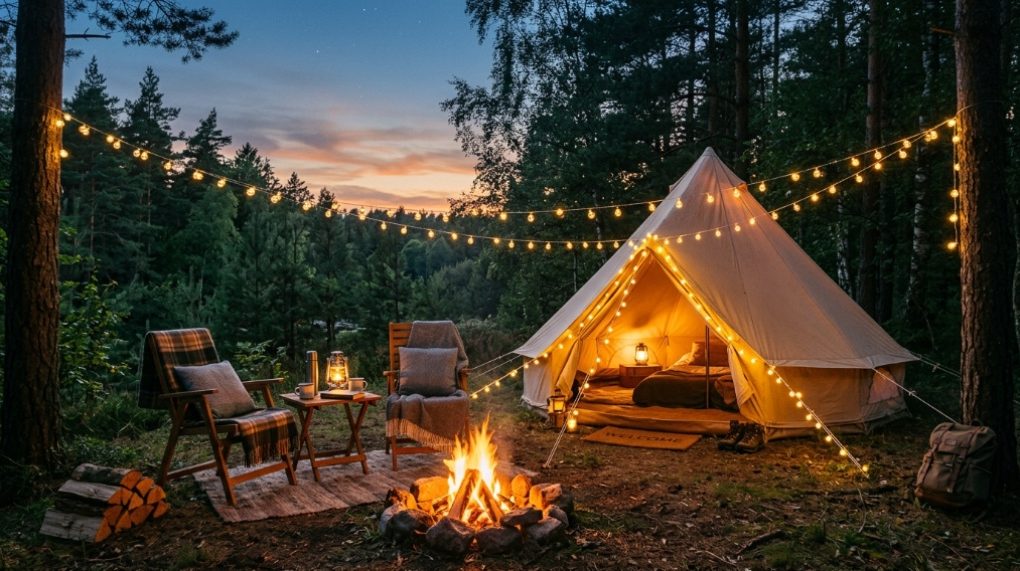
Three nights in the backcountry can feel like a week if you sleep badly on the first one. Cold seeps up from the ground, your hips ache by 2 a.m., and suddenly the trip you planned for months turns into a test of endurance. Most discomfort on multi-day trips is not bad luck—it comes from a few predictable gaps in gear and routine. One of the most overlooked is head and neck support, and if you want to know how a dedicated camping pillow performs before deciding whether it earns space in your pack, you can view the review. The rest of this guide covers the systems that keep you rested, warm, and functional from the first night to the last.
Quick Answer
Stay comfortable on multi-day camping trips by layering your sleep system (pad, bag, pillow), managing moisture and temperature before bed, pacing your daily mileage, and protecting your feet and core from cumulative strain. Prioritize insulation from the ground first, then warmth, then cushioning. Consistency matters more than any single piece of gear—repeat the same evening routine each night so your body adapts instead of resetting.
Key Takeaways
- Ground insulation matters more than bag temperature rating; a three-season pad with an appropriate R-value prevents most cold-related discomfort.
- Pillow support reduces neck strain that builds over consecutive nights and is worth the small weight penalty on trips longer than two nights.
- Change into dry sleep clothes every night—moisture from sweat is the leading cause of feeling cold in a properly rated bag.
- Daily mileage and elevation gain should drop slightly by the third or fourth day to prevent cumulative fatigue injuries.
- Consistent sleep timing and a repeatable camp routine improve rest quality more than upgrading individual gear items.
Why Discomfort Compounds Over Multiple Nights
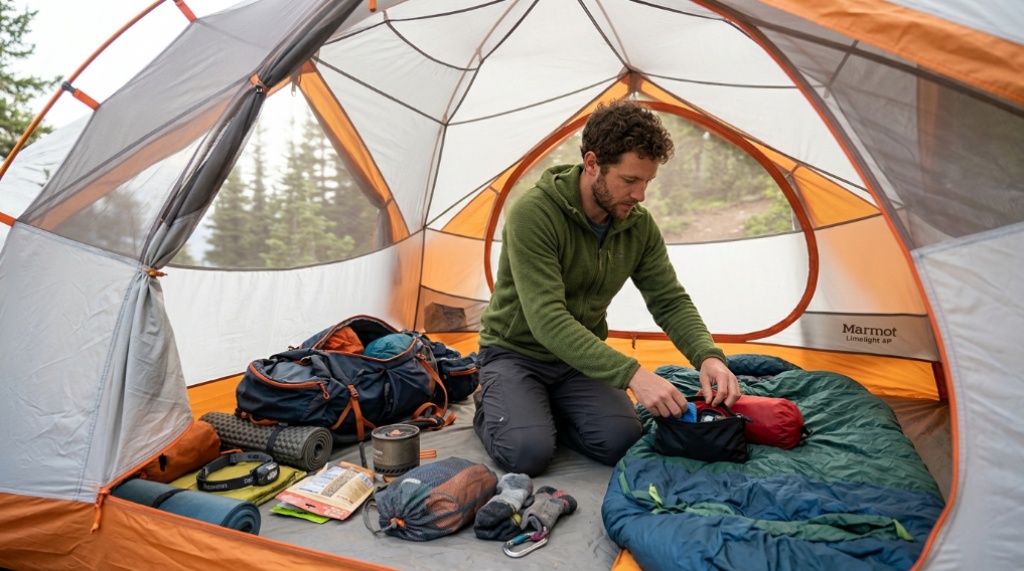
A single bad night is annoying. Three bad nights is a different problem. Sleep debt accumulates, and so does physical strain from the trail. By day three, most campers notice reduced balance, slower recovery, colder extremities, and lower motivation. This is why comfort on multi-day trips is not about a single upgrade—it is about eliminating the small irritants that repeat every night.
The most common compounding issues fall into four categories:
- Heat loss through the ground, which drains core temperature slowly and is often misdiagnosed as a bag problem.
- Moisture buildup in clothing and sleeping bags from perspiration and condensation.
- Joint and muscle strain from inadequate support and repetitive trail stress.
- Disrupted sleep cycles caused by light, noise, and irregular bedtimes.
Addressing each category once prevents them from multiplying across the trip.
Build Your Sleep System From the Ground Up
Most experienced backpackers agree on the order of priority: pad first, then bag, then pillow. If you reverse that order and buy a premium pillow before fixing your insulation, you will still sleep cold.
Sleeping Pad Insulation
Ground insulation is measured by R-value, which indicates resistance to heat flow. For three-season camping, an R-value of roughly 3 to 4 handles most conditions. Winter or high-altitude trips push that requirement higher. Air pads are light and packable but offer no insulation on their own—the R-value comes from internal baffles or fill. Closed-cell foam pads are heavier but immune to punctures, which matters on long trips where a leak would end your comfort for the remaining nights. A practical approach is to carry a short closed-cell pad as both a backup and an extra layer under your torso.
Sleeping Bag Temperature Ratings
Bag ratings assume you are wearing a base layer, using a pad with adequate insulation, and sleeping in a protected shelter. If any of those conditions are missing, treat the rating as optimistic by about 10 degrees Fahrenheit. For multi-day trips, choose a bag rated slightly below the coldest temperature you expect, then manage warmth by venting rather than by adding layers you did not bring.
Why a Pillow Matters More on Longer Trips
On a single overnight, you can sleep on a stuff sack full of clothes and barely notice. On night three, that same lumpy setup starts causing neck stiffness that carries into your morning hike. The reason is simple: your neck and shoulders accumulate strain from carrying a pack all day, and poor head support during sleep prevents that strain from resolving overnight.
A dedicated camping pillow solves two problems at once—consistent height and consistent shape. Unlike improvised options, it does not shift or compress unpredictably during the night. The main trade-offs are weight and pack volume, typically ranging from a few ounces for ultralight inflatable models to over half a pound for compressible foam designs. For trips of two nights or fewer, the weight savings of skipping a pillow may be worth it. For trips of three nights or more, the recovery benefit usually justifies the space.
Choosing Between Inflatable and Foam Pillows
Inflatable pillows pack small, adjust firmness with a valve, and weigh the least. They can feel bouncy and may develop slow leaks over time. Compressible foam pillows feel closer to a home pillow but take up more space and add weight. A reasonable middle ground for multi-day trips is a hybrid design that combines a small foam layer with an inflatable core.
Temperature and Moisture Management
Cold and damp are the two comfort killers that most campers misattribute to their sleeping bag. In practice, both are usually caused by moisture you brought into the bag with you.
Before bed, change out of the clothes you hiked in. Even if they feel dry, they hold perspiration that will cool against your skin overnight. Keep a dedicated set of dry sleep clothes—typically a light base layer—and store them in a dry bag. If you tend to sweat in your bag, vent it at the foot or chest until you cool down, then close it up. Sleeping bags trap moisture from breath and body vapor over multiple nights, so air your bag out each morning if conditions allow, even briefly.
What to Do About Cold Extremities
Cold hands and feet usually signal restricted circulation or a cold core, not a need for thicker socks. Eating a warm, calorie-dense meal before bed and doing a few minutes of light movement raises core temperature and improves circulation to your extremities. Wearing thick socks to bed can actually reduce warmth if they are tight enough to restrict blood flow.
Pacing and Physical Recovery
Comfort over multiple days is as much about how you hike as how you sleep. Cumulative fatigue turns minor aches into real injuries, and injuries end trips.
- Reduce daily mileage or elevation gain by roughly 10 to 20 percent on the third day and beyond instead of holding the same pace.
- Take a proper break every 90 minutes—sit down, eat, and elevate your feet for at least ten minutes.
- Stretch your calves, hamstrings, and hip flexors at camp before dinner, not after, so you are not stretching cold muscles.
- Air and dry your feet at every long break to prevent blisters from compounding.
These habits do not require extra gear, and they often matter more than any equipment upgrade.
Practical Evening Routine for Better Sleep
Consistency helps your body settle faster. Try to repeat the same sequence each night, even if the campsite changes.
- Set up your shelter and lay out your sleeping pad and bag immediately so the bag has time to loft.
- Change into dry sleep clothes and store hiking clothes in a dry bag or hang them if weather permits.
- Eat a warm meal and drink water, but taper fluid intake in the last hour before bed to limit nighttime trips out of the tent.
- Do five to ten minutes of light stretching and any needed foot care.
- Set your pillow, adjust the bag for the expected overnight temperature, and keep a headlamp within reach.
The goal is not perfection—it is reducing the number of variables that can ruin a night.
Common Mistakes That Ruin Multi-Day Comfort
- Overpacking layers for sleep. Adding more clothing inside a bag does not fix a cold pad, and it can trap moisture.
- Ignoring site selection. Camping in a low spot where cold air pools will make your bag feel inadequate even in mild weather.
- Skipping the pillow to save weight. A few ounces saved are rarely worth three nights of neck strain.
- Building mileage too fast. Fitness on day one rarely matches fitness on day four.
- Letting gear stay damp. A wet bag loses loft and warmth for every remaining night.
Frequently Asked Questions
How many nights before a camping pillow is worth the weight?
For most campers, the benefit becomes noticeable around the third night. Two-night trips can usually be managed with a stuff sack, but three or more nights of compromised neck support tends to affect posture and hiking comfort during the day.
Can I use a regular home pillow for camping?
You can, but it will take up significant pack space and may be damaged by moisture. Compressible camping pillows are designed to pack down, resist dampness, and still provide consistent support across multiple nights.
What R-value do I need for a three-season camping trip?
An R-value of roughly 3 to 4 covers most spring, summer, and fall conditions. If temperatures are expected near or below freezing, a higher R-value or an additional closed-cell pad underneath will noticeably improve warmth.
Why do I wake up cold even with a properly rated sleeping bag?
The most common causes are inadequate ground insulation, damp clothing, or a bag that has lost loft from moisture or compression. Check your pad’s R-value and confirm your bag is dry and fully lofted before assuming the rating is wrong.
Is it better to sleep in more clothes or a warmer bag?
A warmer, drier bag generally performs better than layering heavily inside a cooler bag. Extra clothing can trap moisture and restrict circulation, which often makes you feel colder over the course of the night.
How do I keep my sleeping bag dry across multiple nights?
Use a waterproof stuff sack or liner, air the bag each morning, and avoid packing it while damp. If condensation inside the tent is an issue, increase ventilation by cracking a vent or leaving the door slightly open when conditions allow.
Conclusion
Comfort over multiple nights comes down to a handful of decisions repeated consistently: insulate yourself from the ground, stay dry, support your neck, and pace your body so it recovers instead of breaking down. Gear upgrades help, but the routine you follow at camp each evening often matters more. Start with your sleep system in the right order—pad, bag, pillow—then build the small habits that keep every night as good as the first.
Focus Keyphrase: how to stay comfortable during multi-day camping trips
Meta Description: Learn how to stay comfortable during multi-day camping trips with practical sleep system, moisture, pacing, and pillow advice that works night after night.