

Key Takeaways
- Everyone’s experience with grief is unique, and it is important to respect your own journey.
- Connecting with others and commemorating your loved one can ease emotional pain and help you feel less alone.
- Maintaining routines and self-care practices supports stability during turbulent times.
Experiencing the loss of a loved one is among the most profound challenges a person can face. Each individual processes grief differently, yet finding constructive ways to cope is key to recovery. Whether you have recently experienced a loss or are supporting someone who has, understanding the wide-ranging impact of bereavement is critical. In addition to personal strategies, professional support, such as grief counseling, can provide structured guidance for healing.
Grief can disrupt routines and impact every part of life, from physical health to emotional well-being. By embracing supportive resources, being gentle with yourself, and honoring both your own needs and the memory of those lost, you lay the foundation for resilience. Coping with loss is not about forgetting, but about learning to live alongside the changes it brings.
Relationships can also be tested during times of loss. When grief affects a partnership, seeking couples therapy can be beneficial for maintaining open communication and supporting one another.
Understanding Grief
Grief is a natural, often overwhelming response to loss. It is not limited to emotional pain. Many people experience physical symptoms, difficulty concentrating, or significant mood fluctuations. Rather than following a straight path, grief tends to come in waves, with some days feeling easier and others more challenging. Educating yourself on the nature of grief can make it less intimidating; the National Institutes of Health highlights that these emotions are a normal part of the healing process. For more insights into what to expect, visit credible resources such as Mayo Clinic’s grief guidance.
Acknowledge Your Feelings
Let yourself feel everything that arises, from anger and sorrow to moments of joy or even relief. Trying to suppress your emotions may only delay healing. As Harvard Health notes, accepting and naming your emotions can help you process them more fully and move toward acceptance. Journaling, talking with trusted friends, or creative expression can serve as healthy outlets for navigating difficult emotions. For more information, see Harvard Health’s article on dealing with grief.
Seek Support
No one has to grieve alone. Support groups provide a place to share memories, discuss emotions, and hear from others who are also healing. Whether through online groups, faith communities, or conversations with understanding friends and family members, sharing your story can be deeply comforting. You may also consider reaching out to community organizations that specialize in bereavement resources.
Establish Routines
After a significant loss, everyday life can feel chaotic or unanchored. Re-establishing routines gives your day structure, which can help reduce feelings of anxiety. Even simple habits such as making your bed every morning, preparing your favorite breakfast, or taking a walk at the same time each afternoon can provide comfort and predictability.
Practice Self-Care
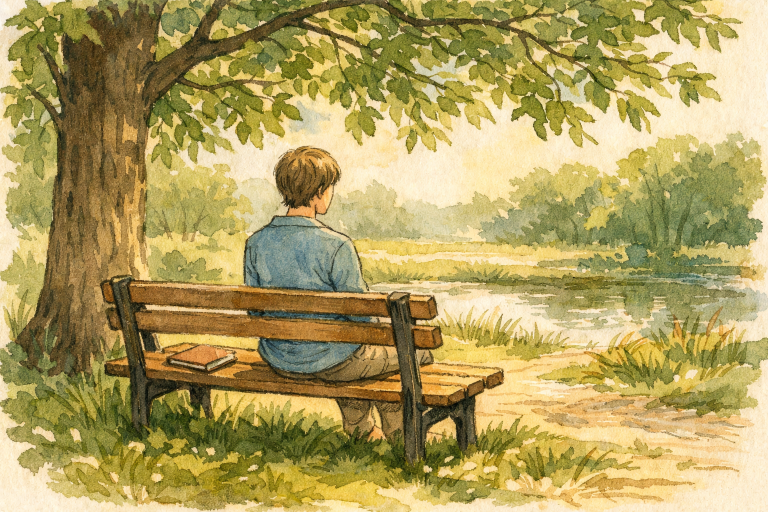
Physical well-being greatly influences your ability to cope with emotional pain. Make sleep, balanced meals, and hydration a priority. If you struggle to motivate yourself, consider low-pressure activities like sitting quietly in nature, gentle movement such as stretching, or short walks outside. Activities that once brought you comfort, such as reading, gardening, or listening to music, may again offer solace over time.
Honor Memories
Commemorating the person you have lost can be an important step in healing. Rituals like lighting a candle on special dates, creating a photo album, or volunteering for a cause that mattered to them help keep their memory alive. These acts not only honor your loved one but also nurture your ongoing connection. According to the Psychology Today grief resource, such rituals aid healing and provide comfort.
Set Realistic Goals
Regaining a sense of progress and control starts with small, easily achievable goals. Perhaps it’s organizing a part of your living space, signing up for a new class, or simply committing to a daily walk. Each goal you complete can bring a sense of accomplishment and renewed direction.
Consider Professional Help
For many, professional support becomes necessary if grief feels ever-present or impossible to manage. Counselors specializing in loss can provide tailored coping tools and a safe space to share your feelings. Therapy is not just for moments of crisis; it can also facilitate your path toward acceptance at a healthy pace.
Grief is a deeply personal experience, and moving forward does not mean letting go of loving memories or minimizing your loss. Instead, it means finding a balance between honoring what was and investing in the present. Whether you lean on family, friends, supportive professionals, or specialized counseling, your journey toward healing is valid and worthy of compassion.