
Key Takeaways
- Elmwood drivers contend with strong sun, dense humidity, sudden downpours, and busy roadway conditions.
- Clear glass, effective heat control, and a clean cabin can make daily commutes less tiring.
- Healthy tires, wipers, lights, and brakes are especially important when wet roads reduce visibility and traction.
- Interior and paint protection can help limit the wear caused by outdoor parking, heat, pollen, and road grime.
- A short monthly inspection can catch comfort and safety issues before they become expensive repairs.
Daily driving around Elmwood, Louisiana, can mean stepping into a sun-heated cabin after work, facing bright glare along Jefferson Parish roads, and adjusting plans when an afternoon storm rolls through. Simple improvements aimed at comfort, visibility, and surface protection can make a vehicle easier to live with year-round. For owners who park outdoors regularly, ceramic coating for cars in Elmwood, LA can also be part of a broader routine for helping painted surfaces stay cleaner and better protected from stubborn contaminants.
The goal is not to add every possible upgrade. It is to identify the conditions that affect a daily driver most, then address them with practical habits and properly selected products. Start with the parts of the vehicle that influence every trip: glass, climate control, tires, lights, wipers, and the surfaces exposed to sun and moisture.
Why Elmwood Weather Conditions Matter for Daily Drivers
South Louisiana heat can quickly raise cabin temperatures, while humid air can leave a film on the inside of the windshield and make defogging slower. Add heavy rain, pooled water, and stop-and-go traffic near Elmwood shopping areas or the wider New Orleans metro, and small maintenance issues become much more noticeable. A commuter whose car sits outside for eight hours each weekday may see faded trim, weak wiper performance, cloudy glass, and a hotter cabin sooner than someone who parks in a garage.
Start With the Glass and Cabin
Vehicle glass plays a major role in cabin comfort because it affects daylight, glare, and the amount of solar energy entering the interior. Visible light transmission describes how much light passes through, while solar heat rejection and ultraviolet protection address different concerns. The same principles behind managing solar heat gain through glazing help explain why a film does not need to be extremely dark to support a more comfortable cabin and help reduce long-term fading.
When drivers search for automotive ceramic coating near me, it is helpful to think beyond appearance alone. A quality exterior care plan can make routine washing easier after rain, pollen, insect residue, and road film collect on a vehicle that spends much of its time outside in Elmwood.
Choose Window Film by Function, Not Just Shade
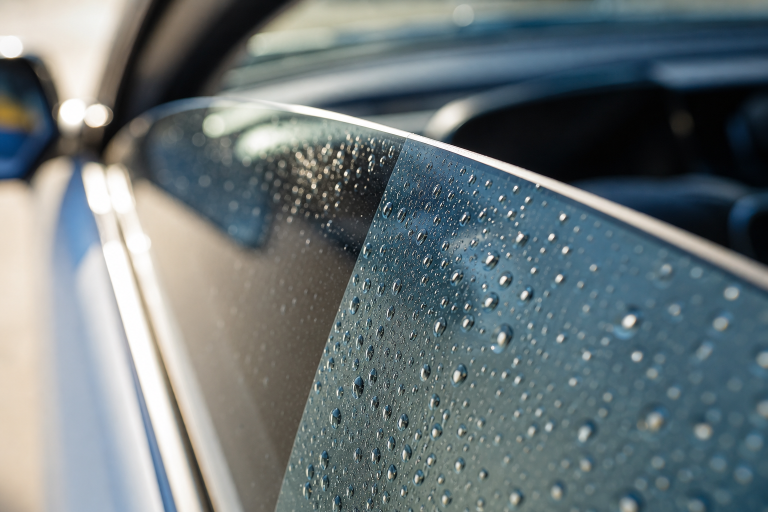
Darkness is only one part of the window-film selection. A lighter-looking film may still offer effective heat and UV management, while a very dark choice may not fit a driver’s needs or applicable rules. Consider the following before scheduling installation:
- Set the main goal. Decide whether heat reduction, glare relief, privacy, UV protection, or a combination matters most.
- Check Louisiana requirements. Confirm the legal limits that apply to the vehicle’s front, side, and rear glass before choosing a shade.
- Ask about signal performance. Some film constructions can matter for cellular, GPS, radio, toll-tag, or other electronic signals.
- Prioritize optical clarity. The finished glass should not have distracting distortion, haze, uneven edges, or poor night visibility.
- Understand the curing process. Follow the installer’s instructions for curing time and safe cleaning products.
Improve Visibility Before the Next Storm
In a heavy Gulf Coast downpour, clean glass matters more than a spotless-looking exterior. Replace wiper blades when they streak, chatter, skip, or leave a cloudy band in front of the driver. Keep washer fluid topped off, clean the inside and outside of the windshield, and wipe dirt from mirrors, backup cameras, and sensor lenses. Also, inspect headlights, brake lights, and turn signals, since cloudy lenses or weak bulbs reduce how well other drivers can see the vehicle.
Give Tires and Brakes a Quick Safety Check
Wet pavement demands more from tires, so check pressure when the tires are cold and use the pressure listed on the driver’s door placard or in the owner’s manual. Look for uneven wear, cracks, bulges, punctures, or exposed cords. The tire maintenance guidance from NHTSA also emphasizes regular pressure and tread checks, which are useful habits for drivers dealing with hot pavement and sudden rain. Have pulling, steering vibration, brake noise, pedal softness, or shaking during braking inspected promptly.
Even excellent tires cannot make floodwater safe. Never drive around barricades or enter a flooded roadway simply because the water appears shallow. Water can hide potholes, debris, washouts, and changes in pavement height, and the safest choice is to turn around and find another route.
Protect the Interior From Sun and Humidity
A windshield sunshade is one of the simplest ways to reduce direct sunlight on the dashboard and front seats while parked. Clean spills quickly, use surface-specific products for leather, vinyl, plastic, and fabric, and avoid oily dressings that leave the dashboard shiny or create a film on the windshield. If the cabin smells damp or windows fog repeatedly, inspect floor mats, door seals, and the air-conditioning drain for trapped moisture.
Keep the Exterior Ready for Heat and Road Debris
Regular washing removes pollen, insects, bird deposits, dust, and oily road film before they bake onto paint in the Louisiana sun. Rinse loose grit before touching the finish, wash in the shade when practical, and dry the vehicle to limit water spots. Address paint chips quickly, especially if bare metal is visible, and use a paint-safe protectant if the vehicle spends most days outdoors.
A Simple Monthly Vehicle Comfort Checklist
- Test air conditioning performance during both city driving and idle time.
- Clean and inspect all exterior glass, mirrors, cameras, and lights.
- Check tire pressure, tread condition, wipers, and washer fluid.
- Look for fading, cracking, damp carpet, odors, or sticky interior surfaces.
- Wash the vehicle and inspect the paint for chips, rough spots, or bonded residue.
- Review the owner’s manual for upcoming maintenance intervals.
When Professional Help Makes Sense
Some problems are best handled early by a trained technician. Seek help when window film develops peeling edges, bubbles, haze, or distortion; when air conditioning blows warm or changes temperature in traffic; or when the vehicle pulls, vibrates, or brakes inconsistently. Persistent water leaks, returning odors, widespread paint damage, and worn tires also deserve professional attention rather than a temporary fix.
Common Questions From Vehicle Owners
Does darker window film always block more heat?
No. Shade and heat rejection are different measurements. A lighter film can still provide useful solar control while preserving a clearer view, particularly at night.
How often should wipers be replaced?
Replace them whenever they streak, skip, crack, or fail to maintain even contact with the windshield. Outdoor parking, heat, and frequent rain can shorten blade life.
Should a vehicle be washed after heavy rain?
Yes, when practical. Rain can leave behind mineral deposits, pollen, road grime, and residue that dulls paint or creates stubborn spots.
Conclusion
A more comfortable Elmwood daily driver starts with useful fundamentals rather than unnecessary upgrades. Keep the glass clear, tires properly maintained, wipers effective, air conditioning dependable, and interior protected from direct sun. With a consistent monthly routine, drivers can be better prepared for bright afternoons, humid commutes, and the sudden heavy rain that is part of life in Louisiana.